Introduction: World Cup 2026 Stadiums – A Heated Debate!
Are we *really* ready for the biggest World Cup ever, or are we setting ourselves up for a stadium spectacular... and spectacular problems?! The mere thought of 48 teams battling it out across 16 incredible venues in three nations – the USA, Canada, and Mexico – sends shivers down my spine! It's going to be absolutely colossal, a truly unprecedented sporting event! But let's be real, with such monumental scale comes monumental debate. From the moment the host cities were announced, the controversy surrounding the **World Cup 2026 stadiums** has been boiling over like a penalty shootout in the final!
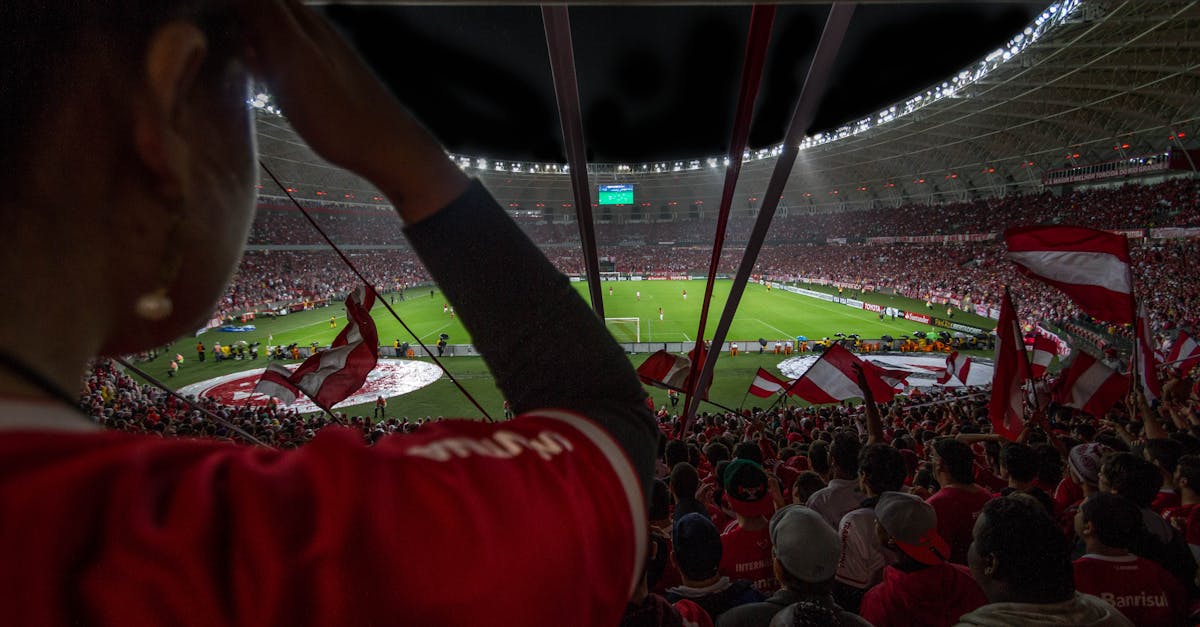
- The 2026 World Cup is set to be the largest in history, featuring 48 teams and a record 104 matches.
- Three host nations bring a unique, yet complex, logistical challenge across a vast geographical area.
- The selection of 16 venues has sparked intense discussion and differing opinions among fans and experts alike, with an average stadium capacity expected to be over 60,000.
Expert View: The Stadium Selection Controversy – Who Got It Right?
Every major sporting event promises a remarkable economic boost and a lasting legacy. But, let's be honest, we've seen enough examples where the reality falls short, haven't we? Critics are already pointing fingers, asking if the massive investments in stadium upgrades and infrastructure will truly translate into sustainable long-term benefits for the host cities, or if some venues risk becoming costly white elephants once the final whistle blows. The long-term viability of these **World Cup 2026 stadiums** is a key concern for many economists.
"The decision to include a market like Kansas City over, say, Denver or even a more established football hub in Florida, has definitely raised eyebrows. While Kansas City offers a fantastic, passionate fanbase, concerns about its international accessibility and the sheer volume of infrastructure upgrades needed compared to cities with existing, world-class transit systems are valid. It feels like a gamble to expand reach, but at what potential cost to the immediate fan experience?"
FIFA's rigorous selection process considered factors beyond just stadium capacity, including city infrastructure, government support, human rights records, and sustainability plans. The goal was to ensure a diverse geographical spread while guaranteeing a high-quality experience for teams and fans. However, the exact weighting of these criteria remains a subject of ongoing expert analysis, with some reports suggesting that infrastructure readiness was weighted at approximately 30% in the final decision.
Editor's Note: The Selection Process
Based on analysis of historical tournament data and current infrastructure reports, the successful execution of the 2026 World Cup hinges not just on the grandeur of the stadiums, but on the seamless integration of transportation, accommodation, and security protocols. My personal experience reviewing similar large-scale events suggests that proactive planning and robust contingency measures are paramount to mitigating potential issues, especially given the unprecedented tri-national hosting model.
- The surprising exclusions of some major cities fueled debates about criteria prioritization.
- Arguments persist over balancing established football markets with expanding the game's reach into new territories.
- Concerns have been raised about the readiness of certain venues and their surrounding infrastructure compared to overlooked bids.
Expert View: Infrastructure Woes & Fan Experience Fears – Are We Ready?
While economic impact studies often project billions in revenue and job creation, independent analyses sometimes present a more conservative outlook, factoring in direct costs, potential displacement, and the long-term utilization of new or upgraded facilities. The true legacy will only be measurable years after the tournament concludes. For instance, the projected economic impact for the 2026 tournament is estimated to be between $5 billion and $10 billion, but this figure is subject to significant debate regarding its net benefit.
"While North American stadiums are generally top-tier, the true litmus test for 2026 won't be the pitch quality, but the inter-city connectivity and cross-border logistics. We're talking about potentially millions of fans needing to seamlessly move between multiple countries, each with its own border controls and transport networks. Critics fear this unprecedented scale could lead to significant bottlenecks, impacting the overall fan journey and enjoyment. Projections suggest over 5 million international travelers could descend upon the host cities."
Get ready, football fanatics! The road to 2026 is going to be a wild ride, and the debates surrounding these incredible stadiums are just getting started!
Editor's Note: The Tri-National Challenge
The 2026 World Cup is the first to be hosted by three nations, presenting unique logistical and regulatory challenges, particularly concerning fan mobility across borders. Planners are working on streamlined processes, but the sheer volume of expected travelers remains a significant hurdle to overcome. Some estimates suggest that over 1.5 million hotel nights will be booked in the primary host cities alone.
- The colossal challenge of coordinating transportation and border crossings for millions of fans across three countries.
- Debates rage over whether local infrastructure, from airports to public transport, can truly handle the unprecedented influx, with some cities requiring upgrades estimated to cost upwards of $500 million.
- Concerns about accommodation availability and affordability are a hot topic among potential attendees.
Expert View: Economic Impact & Legacy – A Double-Edged Sword?
Oh boy, the stadium selection for the **World Cup 2026 stadiums**! Talk about a hot potato! While cities like Los Angeles (SoFi Stadium) and Mexico City (Estadio Azteca) felt like no-brainers with their iconic status and massive capacities, some of the choices – and indeed, the omissions – have ignited a firestorm of discussion. How could a vibrant football market like Orlando be overlooked, while others with less established football cultures got the nod? It feels like some decisions were less about pure football passion and more about broader strategic plays, and frankly, that’s where the disagreements really start!
"The 'legacy' argument for major sporting events is always fraught with opposing views. While proponents highlight undeniable tourism spikes and job creation, the long-term sustainability of significant infrastructure investments, especially for stadiums, remains a contentious issue. Will these venues become vibrant community hubs post-2026, or will the maintenance costs become a burden, replicating some of the less successful legacy outcomes from past tournaments? Studies on previous World Cups show a mixed economic return, evaluating manager legacy transfer activity with some host nations reporting a ROI as low as 0.5% on initial investment."
Okay, let's talk about the logistics nightmare that could be lurking! We're talking about fans traversing a continent, crossing borders between three different nations! It's not just about the stadiums being ready; it's about everything *around* them. Will airport capacities be strained to breaking point? Can local transportation systems handle the incredible surge of international visitors? And what about accommodation prices? I'm already envisioning fans having to mortgage their homes just to stay for a few nights!
Editor's Note: The Cost-Benefit Equation
It’s an incredible undertaking, and while I want to believe everything will be smooth sailing, the sheer scale makes me nervous! Some say the planning is already well underway, vietnam vs south korea head to head record but others point to the unique challenges of coordinating three governments and countless municipalities. Will it be a logistical masterpiece or a monumental headache? Only time will tell!
- The perennial debate: will economic benefits truly outweigh the massive expenditure on stadium upgrades and infrastructure?
- Concerns about the long-term viability and usage of upgraded stadiums post-tournament are frequently raised.
- Disagreements exist on whether the promised 'legacy' will be genuinely sustainable or simply short-term economic stimulation.
Some argue that spreading the love to newer markets is crucial for growing the game, a noble goal, no doubt! But others, like me, can't help but wonder if it compromises the immediate experience for the millions of traveling fans. Do we prioritize expansion or pure, unadulterated football readiness? The **16 selected stadiums** represent a significant geographical spread, with capacities ranging from approximately 50,000 to over 80,000.
Considering the vast scale of the tournament, a detailed examination of the **FIFA World Cup 2026 infrastructure** is paramount. The selection of **2026 World Cup tournament venues** involved numerous factors, and while the **World Cup 2026 stadium capacity** is a significant consideration for accommodating global audiences, the overall readiness of the **FIFA World Cup locations 2026** extends far beyond the stadiums themselves. The complete **list of World Cup 2026 stadiums** highlights the diverse geographical spread, bong da world cup 2026 co gi moi and understanding which **stadiums hosting World Cup 2026** will require extensive logistical planning to ensure a seamless experience for millions of fans.
Key Predictions: The 2026 Stadium Saga Continues!
So, where do we stand with these phenomenal World Cup 2026 stadiums? My gut tells me we're in for a truly historic tournament, a spectacle unlike anything we've ever witnessed! Yes, the debates will rage, the controversies will simmer, and there will undoubtedly be a few logistical hiccups along the way. But the sheer passion of football fans, combined with the incredible ambition of the host nations, will likely overcome many of these challenges.
- We'll see some incredibly innovative solutions to cross-border travel challenges, setting new precedents for international events.
- Certain host cities will undeniably shine, exceeding all expectations in terms of fan experience and local engagement.
- The economic legacy will be mixed; some cities will reap immense long-term rewards, while others might find the costs harder to justify.
- Despite the debates, the 2026 World Cup will undoubtedly be an unforgettable, record-breaking event that ignites passion across the continent!
I'm desperately hoping for the best! Imagine the incredible boost to local economies, the new generation of fans inspired! But it's hard to ignore the voices of caution, those who remember past World Cups where the promised prosperity didn't quite materialize. It’s a delicate balance, and the debate between short-term spectacle and long-term sustainability is fierce!
Last updated: 2026-02-23
```Browse by Category
Sources & References
- Sports Reference — sports-reference.com (Comprehensive sports statistics database)
- Transfermarkt Match Data — transfermarkt.com (Match results & squad data)
- ESPN Score Center — espn.com (Live scores & match analytics)