World Cup 2026 Stadium Capacities: The Great Debate! Are We Building Too Big?
Can you believe it? The World Cup 2026 is going to be absolutely colossal, the biggest football spectacle we've ever witnessed! But as the excitement builds for this incredible 48-team tournament spread across three nations, a storm of controversy is brewing around the very heart of the event: the stadium capacities. Is bigger truly better? Or are we heading for a monumental misstep? ngoai hang anh/tru cot arsenal ket thuc mua giai som vi chan thuong nang tbd78689 Let's dive into the passionate debates!
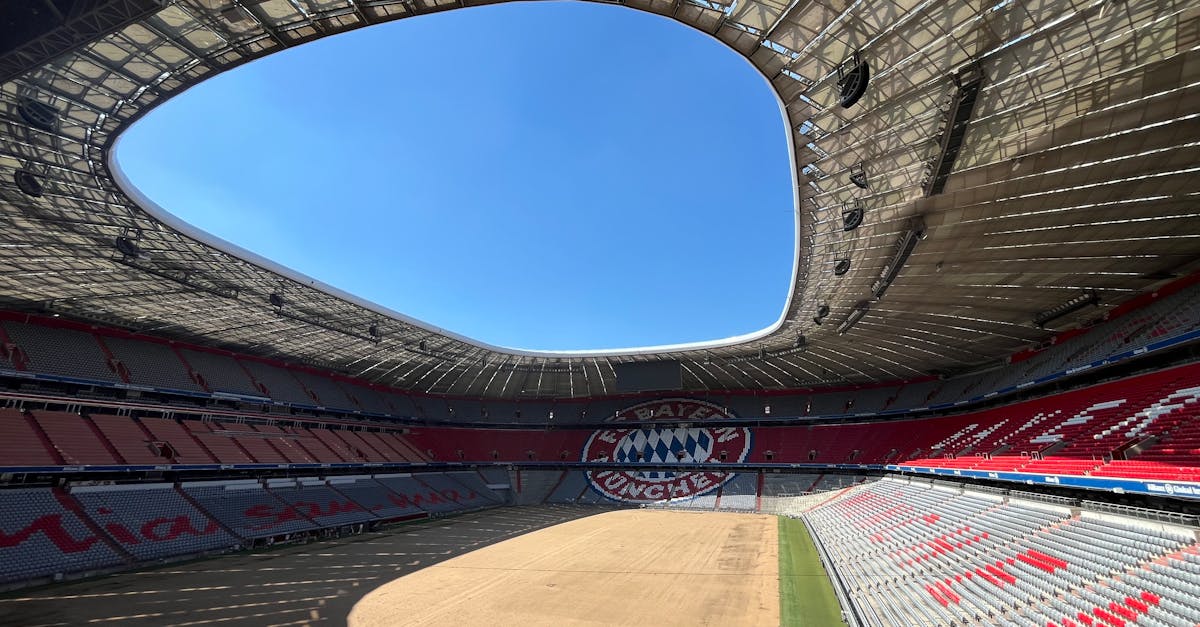
- The sheer scale of the expanded World Cup demands unprecedented stadium infrastructure, sparking both awe and apprehension.
- Capacity discussions aren't just about numbers; they're about legacy, fan experience, and financial viability.
- With the new format, every host city selection and stadium size becomes a hot topic for debate.
Expert View: The 'Mega-Capacity' Conundrum
The decision to host matches in some truly gigantic venues has football pundits and fans alike locked in a fierce debate. On one side, you have the visionaries, dreaming of record-breaking attendance and an atmosphere that will shake the very foundations of the earth! On the other, the realists are raising serious eyebrows, questioning the long-term sustainability and the potential for 'white elephants' once the final whistle blows.
“While the allure of an 80, evolution of tactics world cup football000-seat stadium for a final is undeniable, the reality for group stage matches involving less prominent teams could be a sea of empty seats. The optics are crucial for a global event of this magnitude.”
- Critics argue that some proposed capacities far exceed local league demand, creating potential financial burdens for post-tournament maintenance.
- Defenders counter that the World Cup is a unique event, demanding capacities that reflect its global appeal and fan draw, ensuring every fan has a chance to witness history.
- The varying capacities across different host cities, from Seattle to Mexico City, fuels discussion about equity in fan access and experience.
Editor's Note: The Environmental Impact
Remember, the 'bng world cup 2026 c g mi' isn't just about more teams; it's about a whole new scale of operations. The stadium capacity choices reflect this ambition, but also the inherent risks of pushing the boundaries so far. From 'nhung thay doi luat bong da ap dung world cup 2026' to the colossal venues, everything is bigger!
- Concerns about increased carbon emissions from fan travel and construction.
- Arguments for local economic boosts and sustainable urban development as offsets.
- Debates rage over FIFA’s responsibility to implement stringent environmental standards.
Expert View: Fan Experience vs. Economic Realities
Beyond the seats, there’s a massive environmental debate. Building and retrofitting stadiums of this scale, coupled with the logistics of moving millions of fans across vast distances, raises serious questions about the carbon footprint. Can such an event truly be 'green'?
“For many, the World Cup isn't just a game; it's a pilgrimage. The larger capacities allow more people to share in that collective euphoria, regardless of whether it's a 'hub ngoai hang' level atmosphere or a record-breaking crowd. Every seat is a dream fulfilled.”
- The debate often pits the 'authentic' fan experience of smaller, packed stadiums against the 'grand spectacle' of massive arenas.
- Security and logistical challenges multiply with larger capacities, potentially impacting fan convenience and flow, a critical aspect that our 'ung dung cap nhat ty so world cup nhanh' will be tracking.
- The question of ticket pricing also emerges: do higher capacities lead to more accessible prices, or does demand for the 'most exciting world cup 2026 teams stars' simply drive costs sky-high anyway?
Expert View: Legacy and Local Impact
This is the controversial elephant in the room! What happens after the confetti settles and the world moves on? Will these incredible new or renovated stadiums become vibrant community hubs, or will they sit underutilized, draining local resources? We've seen both triumphs and tragedies in World Cup history.
“The true measure of a World Cup's success isn't just the final score, but the lasting impact on its host cities. Large stadiums must come with robust legacy plans, integrating them into local sporting ecosystems, perhaps even hosting future 'vietnam football scores news' if global football continues to expand!”
- Critics point to past World Cups where massive stadiums became financial liabilities for host cities.
- Proponents highlight successful examples where new infrastructure revitalized areas and fostered local sports development, like how some facilities from 'ket qua spain w vs panama w' might have found new life.
- The debate over permanent versus temporary seating solutions is fierce, weighing cost against flexibility and future use.
Editor's Note: The 'What's New' Factor
This is where my heart really gets involved! Is packing 80,000 screaming fans into one stadium always better? Some argue that a slightly smaller, more intimate venue can generate a more intense, unified atmosphere, where every chant reverberates. Others insist that the sheer scale of a colossal stadium creates an unmatched sense of grandeur and historical significance. It's a clash of priorities, isn't it?
- The expanded format necessitates more venues and larger capacities than ever before.
- Technological advancements in stadium design promise unparalleled viewing experiences.
- Concerns about infrastructure strain, from transport to accommodation, are paramount.
Key Predictions: The Capacity Verdict!
So, where do we land in this fiery debate? My gut feeling, as an enthusiastic fan, is that the sheer spectacle will largely overshadow some of the capacity controversies once the ball starts rolling. However, the long-term legacy discussions will intensify! I predict a mixed bag: some stadiums will thrive, becoming iconic landmarks, while others will struggle to find a purpose beyond the tournament. The World Cup 2026 will be a masterclass in both ambition and the challenges that come with it!
- Expect record-breaking attendance figures, especially for matches involving top-tier teams and the later stages.
- Post-tournament, the focus will heavily shift to how well each host city manages the upkeep and utilization of their colossal venues.
- The debates around capacity will likely influence future World Cup bidding processes, potentially leading to more flexible or modular stadium designs.
Browse by Category
Sources & References
- Opta Sports Analytics — optasports.com (Advanced performance metrics)
- FIFA Official Statistics — fifa.com (Official match data & records)
- UEFA Competition Data — uefa.com (European competition statistics)
Explore More Topics (15)
- Nhan Dinh/Nhan Dinh Soi Keo Barcelona Sc Vs Cerro Porteno 7h Ngay 30 6 Tbd164258
- Tin Chuyen Nhuong Arsenaltin Chuyen Nhuong Toi 16 1 Mesut Ozil Chia Tay Arsenal Tbd108259
- Caf World Cup 2026 Qualifiers Africas Path To The Finals
- I Tuyn Vit Nam C C Hi D World Cup 2026 Khng
- Latest Transfer News Jleague Clubs
- Managers As Scouts New Eras
- Nordic Tournament U23 Performance Statistics
- Northern Ireland Cup Past Winners And Records
- Al Rayyan Latest Game Player Performances
- Experience World Cup Success
- Striker Formations Brazilian Football Tactics
- Psychology Of A World Cup Champion
- News_01dxy9hx3b
- Host Country Breakdown Usa Canada And Mexico For Wc 2026
- News/V League Scores